
What Would You Do If Someone Suddenly Collapsed Right in Front of You
- Logen Doiel
- May 5
- 3 min read

Imagine this: you are walking down the street or sitting in a café when suddenly someone near you collapses. What would you do? Would you know how to react? Most people hope they would stay calm and help, but panic often takes over in such moments. Knowing a few critical steps can make a life-saving difference before professional help arrives.
This post explores what to do if someone collapses suddenly, why quick action matters, and how training can prepare you to respond confidently. By the end, you’ll see why booking CPR, AED, or first aid training with Start A Heart is a smart step for everyone.

Why Seconds Matter When Someone Collapses
When a person collapses, it often means their heart or breathing has stopped or is severely impaired. Brain cells begin to die within minutes without oxygen. Emergency services usually take several minutes to arrive, so the actions of bystanders are crucial.
Studies show that immediate CPR can double or triple a victim’s chance of survival. Using an Automated External Defibrillator (AED) within the first few minutes can restore a normal heart rhythm in many cases. But many people freeze or hesitate because they don’t know what to do.
The Critical Actions to Take Immediately
If you see someone collapse, follow these key steps:
Check the scene for safety. Make sure you and the victim are not in danger.
Check responsiveness. Gently shake the person’s shoulder and ask loudly, “Are you okay?”
Call emergency services. If there is no response, call 911 or your local emergency number immediately.
Open the airway and check breathing. Tilt the head back slightly and look, listen, and feel for breathing for no more than 10 seconds.
Start CPR if not breathing normally. Push hard and fast in the center of the chest at a rate of about 100 to 120 compressions per minute.
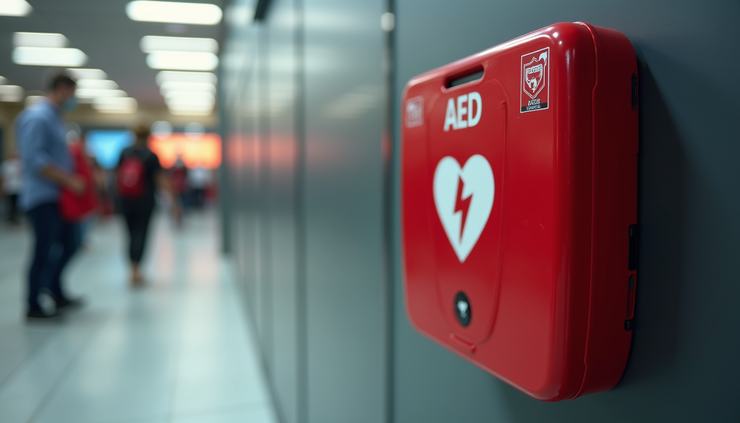
Use an AED if available. Turn it on and follow the voice prompts. It will guide you through the process.
Continue until help arrives or the person shows signs of life.
These steps may seem simple, but without training, many hesitate or perform them incorrectly. Panic can cause confusion, delay, or inaction.

Why Training Makes All the Difference
Knowing the theory is one thing, but practicing these skills builds confidence and muscle memory. Training courses teach you how to:
Recognize emergencies quickly
Perform CPR correctly and safely
Use an AED without fear
Manage choking and other first aid situations
Stay calm and focused under pressure
People who have taken CPR and first aid training report feeling more prepared and less likely to freeze in emergencies. They become the difference between life and death for someone nearby.
Real Stories Show the Impact
Consider the story of a bystander in a shopping mall who saw a man collapse. Thanks to CPR training, she immediately started chest compressions and used the AED available on site. Paramedics arrived minutes later to find the man breathing again. He survived and recovered fully.
Without her quick action, the outcome could have been very different. This example shows how ordinary people can save lives with the right knowledge.
Take the Next Step to Be Ready
If you have ever wondered what you would do if someone collapsed in front of you, now is the time to act. Don’t wait until an emergency happens to realize you are unprepared.
Start A Heart offers practical CPR, AED, and first aid training designed for all skill levels. These courses give you hands-on experience and the confidence to act quickly and correctly.
Learning these skills is an investment in your community and your loved ones. You never know when you might be the one who saves a life.


Comments